Why Tall Women's Blazers Pull at the Back Even When They Fit the Shoulders
Quick Answer: Back pulling in a blazer that fits the shoulders usually means the back panel length is cut for an average torso, so on a taller frame the fabric runs out of length before it reaches a natural resting point, creating tension that reads as pulling or gaping across the upper back even when shoulder width is correctly sized.
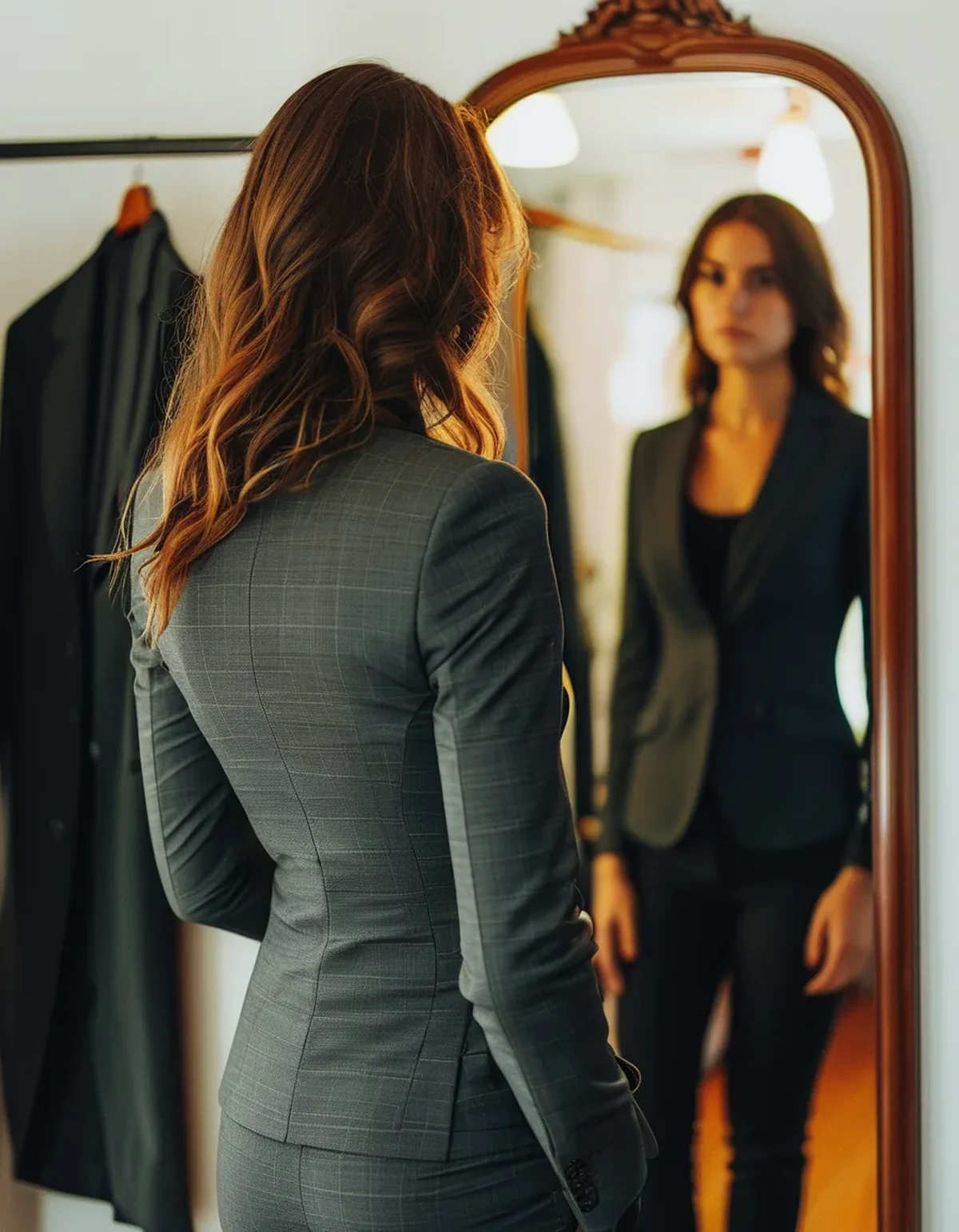
Shoulder seams are the measurement most people check first when trying on a blazer, but back panel length is the actual dimension causing this specific problem.
Why does shoulder fit not guarantee back fit?
Because shoulder width and back panel length are two separate pattern dimensions, and standard blazers are drafted assuming they move together in roughly fixed proportion. A taller frame breaks that assumed proportion — the shoulders can be correctly sized while the torso below them is longer than the jacket’s back panel was drafted to accommodate.
What does this actually look like when you’re wearing it?
Horizontal pull lines across the upper back, a jacket that rides up slightly when you move your arms forward, or fabric bunching at the base of the neck are the typical signs — all pointing to insufficient back panel length rather than a shoulder or bust sizing issue, which is where most people look first.
What Nobody Tells You About Blazer Alterations for This
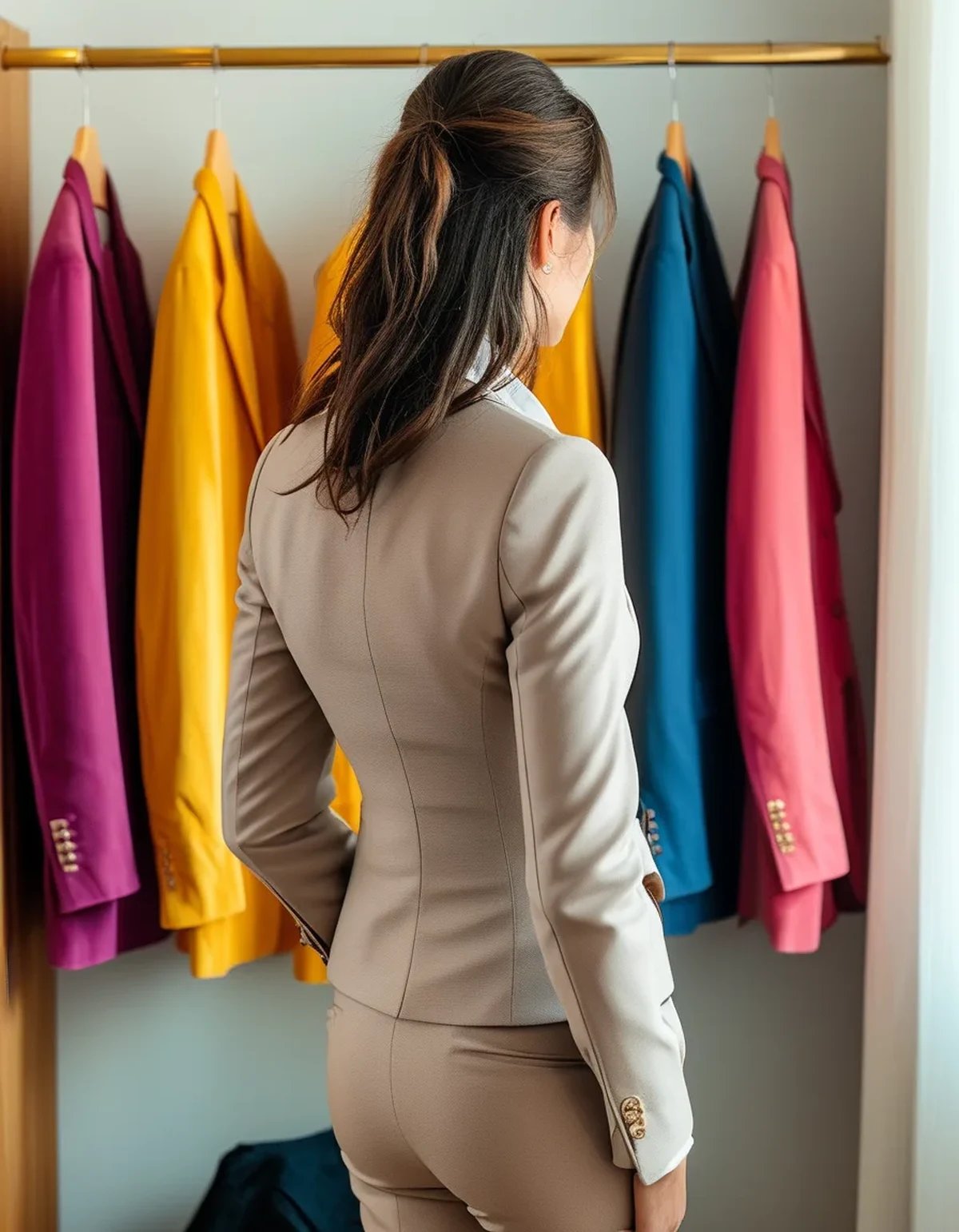
This specific issue is genuinely alterable by a skilled tailor — adding length through the center back seam (if the jacket has one) or letting out the back panel where seam allowance permits can resolve pulling that a size change alone won’t fix, since sizing up typically adds width, not length, in most standard size grading.
Do tall-specific blazer brands actually solve this?
Often, yes — brands that grade specifically for tall proportions extend back panel length independently of shoulder and bust measurements, rather than just adding overall length at the hem, which is the more common (and less effective) way standard brands handle ‘tall’ sizing when they offer it at all.
FAQ: Tall Women Blazer Fit Questions, Answered
Does fabric type make back pulling worse or better?
Structured, less stretchy fabrics show back pulling more visibly than fabrics with some mechanical stretch, which can flex slightly to accommodate torso length without visible tension lines.
Is it worth sizing up just to get more back length?
Usually not — sizing up adds width and shoulder room disproportionately without reliably fixing back length, often creating a new fit problem (loose shoulders) while only partially helping the original one.
Can a blazer with a center back vent help with this?
A vent adds ease at the hem, not through the back panel length itself, so it doesn’t directly fix upper back pulling — though it can make the overall fit feel less restrictive when sitting or moving.
TL;DR:
- Back pulling with correct shoulder fit points to insufficient back panel length, not a sizing problem
- Horizontal pull lines and riding-up when reaching forward are the tell-tale signs
- A tailor can often add back length through the center seam where standard alterations can’t
- Tall-specific brands that grade back length separately solve this more reliably than standard ‘tall’ sizing
Check back panel length, not just shoulder width, next time a blazer pulls — it’s a fixable, well-understood fit issue once you know where to look.
Keep Reading
This article is for general informational and styling purposes only. Fit, sizing, and product availability may vary — check current details before purchasing.