The Six Measurements Tall Women Should Know Before Shopping Online
Quick Answer: The six numbers are inseam, rise, torso length (nape to natural waist), arm length (shoulder point to wrist bone), shoulder-to-hem for tops, and total height with your usual shoes. Height alone predicts almost nothing, because two women of the same height can differ by 8 centimetres in leg-to-torso ratio - which is why one buys tall trousers and the other buys tall tops. Measure once, write them down, and check them against the garment measurements rather than the size label.
Here is how to take each one and what it tells you.
Why height is the wrong number
Height combines two independent variables - leg length and torso length - and hides both. Two women at 180 cm can have leg lengths differing by several centimetres, and their fit problems are completely different.
Long legs with an average torso is the profile most tall sizing is designed for. Tall ranges typically add inseam and sleeve length while leaving the body length roughly unchanged.
A long torso with average legs is poorly served by tall ranges. Tall trousers will be too long, while regular tops will still be short in the body - which is a genuinely frustrating combination and a common one.
Size charts almost never publish torso length. They give bust, waist, hip, and sometimes inseam, so the dimension that causes most tall-fit failures is invisible at the point of purchase.
This is why the same tall size fits differently across brands. Each brand makes different assumptions about how the extra length is distributed, and none of them tell you what those assumptions are.
Your own six numbers cut through all of it, because you compare them against the garment’s flat measurements rather than trusting a label.
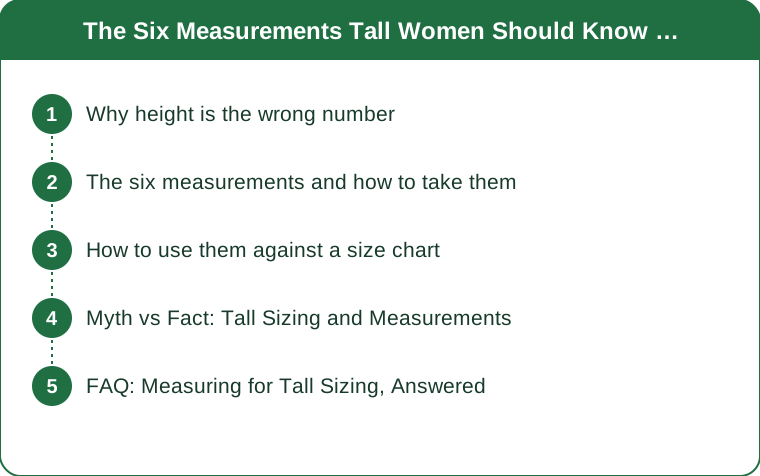
The six measurements and how to take them
1. Inseam: from the crotch seam to the floor, barefoot, standing straight. Have someone help if you can - self-measured inseams are consistently a couple of centimetres off. This is the number that determines trouser length, and it should be recorded barefoot so you can add heel height as needed.
2. Rise: from the crotch seam up to your natural waist, front. This is the measurement that decides whether trousers sit where you want them. A too-short rise cannot be altered, which makes this the most important trouser number after inseam.
3. Torso length: from the bony bump at the base of your neck (the nape) to your natural waist, down the back. This predicts whether tops, dresses, and swimsuits will be long enough in the body - the single most under-measured dimension in tall shopping.
4. Arm length: from the shoulder point (the bone at the outer edge) to the wrist bone, with the arm slightly bent. Slightly bent matters - a straight-arm measurement gives a sleeve that pulls short when you reach.
5. Shoulder to hem: from the shoulder point straight down to where you want a top to end. Take two versions if useful - one for the hem you want on a tucked top and one for an untucked one.
6. Total height in your usual shoes. Not barefoot height. This is what matters for coat and dress length decisions, and most people only know their barefoot number.
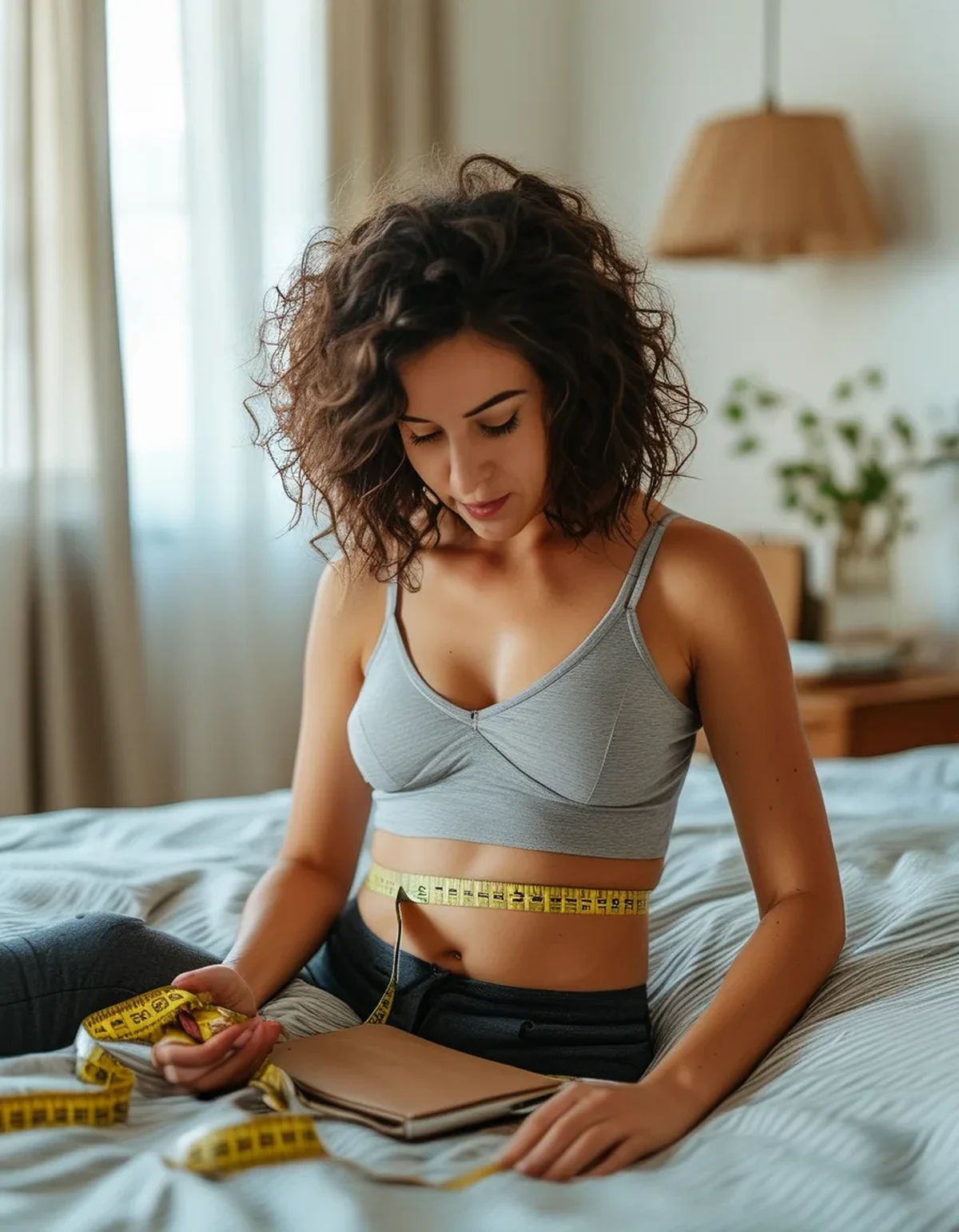
Take them all in the underwear you normally wear, and write them in centimetres and inches both - brands split between the two and conversion errors are a real source of bad purchases.

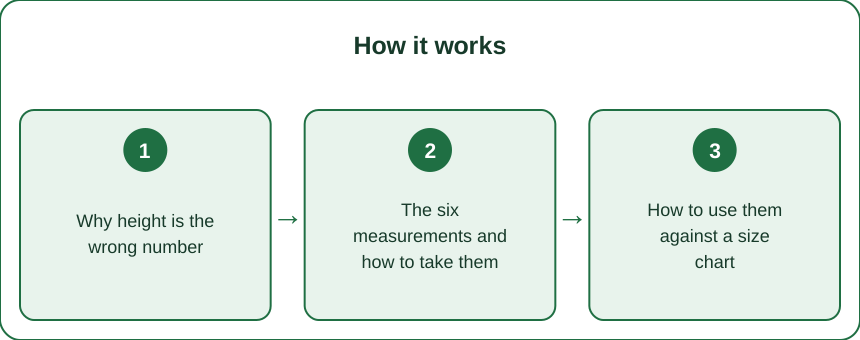
How to use them against a size chart
Look for the garment measurements, not the body measurements. Many brands publish both. Garment measurements - actual flat dimensions of the item - are far more useful because they tell you the finished length rather than who the brand thinks it fits.
Compare inseam to inseam and rise to rise. If a brand lists a 34-inch inseam and yours is 34, check whether they measure to the floor or to the hem - the two differ by whatever break they design in.
For tops, compare shoulder-to-hem. If a top measures 66 cm shoulder to hem and you want 70, it will be short, regardless of what size you order.
Add 2 to 3 cm of tolerance for knits and stretch fabrics, which lose length when worn as they stretch across the body.
Check the model’s height and size in the product photos. Most retailers list it. If the model is 178 cm wearing a size S and the hem sits where you want it, that is useful information; if she is 165 cm, the photo tells you nothing about your fit.
Read reviews for length comments specifically. Other tall shoppers reliably mention it, and a search of the reviews for the word tall is thirty seconds well spent.
And keep a note of what worked. Once a garment fits, measure it flat and add those numbers to your file. Over a year this becomes far more accurate than any size chart.
Myth vs Fact: Tall Sizing and Measurements
Myth: knowing your height is enough to shop tall ranges. Fact: height hides the leg-to-torso split entirely. Two women at the same height can need completely different garments, and tall ranges assume one particular split.
Myth: tall sizes are just regular sizes made longer everywhere. Fact: most tall ranges add inseam and sleeve length while leaving body length nearly unchanged, which is why long torsos remain badly served.
Myth: if the inseam number matches, the trousers will fit. Fact: rise matters at least as much, and it cannot be altered. A correct inseam with a short rise gives trousers that sit wrong and pull.
Myth: you can always have things lengthened. Fact: lengthening is limited to the existing hem allowance - usually two to four centimetres, and sometimes none at all. Shortening is easy; lengthening is barely possible.
Myth: stretch fabric solves length problems. Fact: stretch fabric loses length as it stretches across the body, so a stretch top is effectively shorter on a long torso than its flat measurement suggests.
Myth: the same brand will fit consistently over time. Fact: brands quietly change their blocks between seasons. Measuring a new arrival from a brand you trust is still worth doing.
Myth: measuring yourself is a one-off job. Fact: re-measure annually, and after any significant change. Torso and arm lengths are stable; waist and rise are not.
FAQ: Measuring for Tall Sizing, Answered
Why is height not enough for online shopping?
Because it combines leg length and torso length and hides both. Two women of the same height can differ by several centimetres in that split, and their fit problems are completely different.
What is the most under-measured dimension?
Torso length - nape to natural waist down the back. It predicts whether tops, dresses, and swimsuits will be long enough in the body, and almost no size chart publishes it.
Should I measure my inseam barefoot or in shoes?
Barefoot, so you have a stable base number, then add heel height when you need it. Record total height in your usual shoes separately - that is what matters for coat and dress length.
Why should the arm be slightly bent for sleeve length?
Because a straight-arm measurement produces a sleeve that pulls short the moment you reach for something. A slight bend builds in the movement allowance.
How much can a garment be lengthened?
Usually two to four centimetres at most, limited by the hem allowance, and sometimes not at all. Shortening is easy and cheap; lengthening is barely possible - which is why buying long matters.
Should I use body measurements or garment measurements from a size chart?
Garment measurements whenever they are published. They give actual finished dimensions rather than the brand’s assumption about who fits the size.
How often should I re-measure?
Annually, and after any significant change. Torso and arm lengths stay stable; waist and rise do not, and an out-of-date number causes exactly the errors this list is meant to prevent.
TL;DR:
- Height predicts almost nothing. It hides the leg-to-torso split, which is what actually determines your fit problems.
- The six numbers: inseam (barefoot), rise, torso length (nape to natural waist), arm length (shoulder point to wrist, arm slightly bent), shoulder-to-hem, and total height in your usual shoes.
- Torso length is the most under-measured and the least published - it decides tops, dresses, and swimsuits.
- Rise cannot be altered. A correct inseam with a short rise still fits badly.
- Use garment measurements, not body measurements, whenever a brand publishes them.
- Add 2 to 3 cm tolerance for knits - stretch fabric loses length across the body.
- Measure what fits and keep a file. Over a year it beats every size chart.
Lengthening is capped at the hem allowance, usually two to four centimetres. Shortening is easy - which is why buying long is always the safer error.
Keep Reading
This article is for general informational and styling purposes only. Fit, sizing, and product availability may vary — check current details before purchasing.