Why a Two-Inch Inseam Difference Changes a Whole Outfit
Quick Answer: Garment design places details — seams, panels, waistband height, hem finish, color blocking — relative to body landmarks. When a garment is too short on a tall frame, every one of those details migrates upward relative to your body. A 7/8 legging becomes a cropped one, a knee panel sits above the knee, and a high waist becomes mid-rise. The length isn’t the problem; the relocated details are.
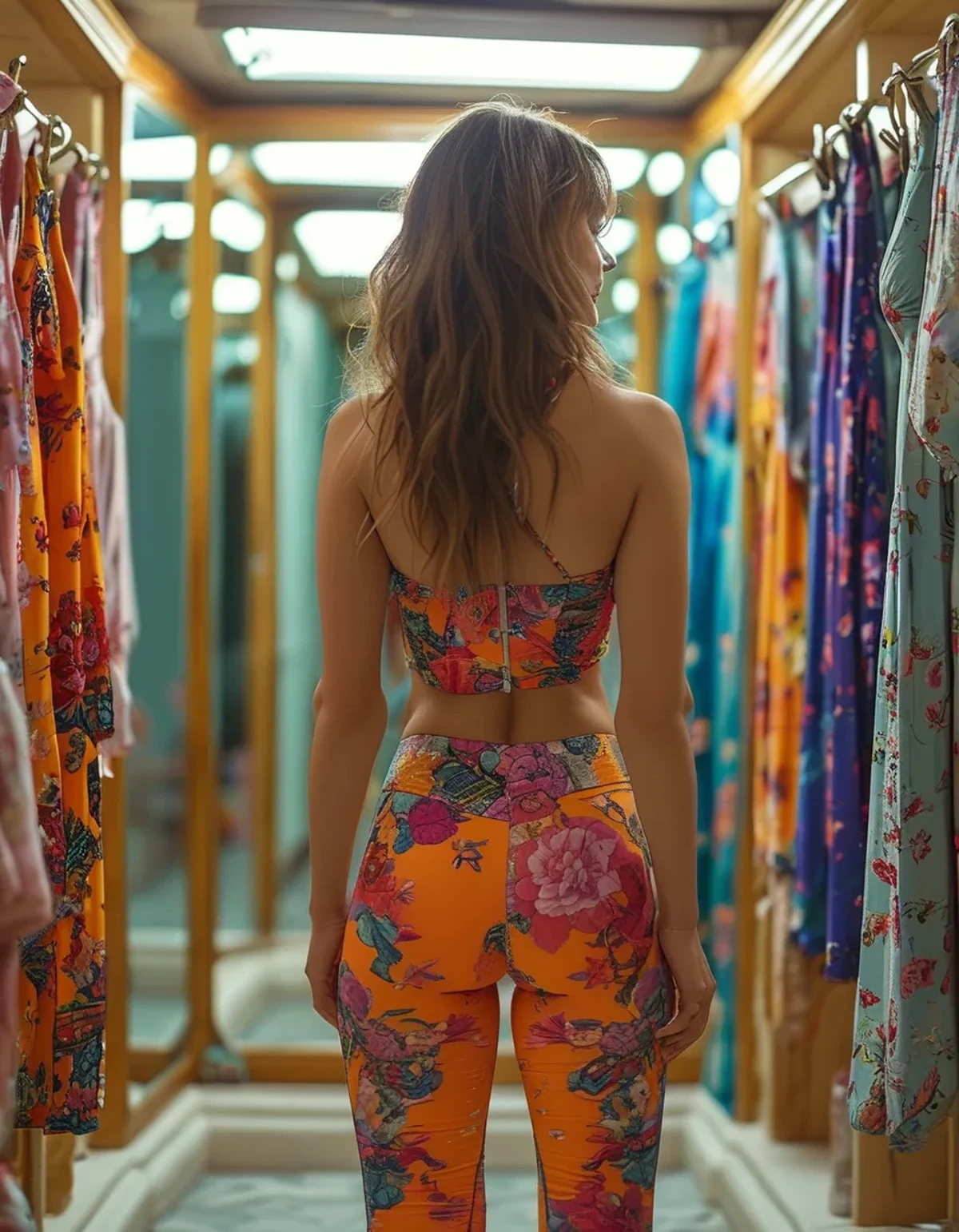
The leggings technically fit. They just look wrong, and you can’t say why. It’s because the shaped panel meant to sit at the knee is sitting on your quad.
What actually goes wrong when a garment is short?
Everything moves, not just the hem.
Garment patterns place features relative to expected body landmarks. A knee panel is drafted to sit at the knee of a standard-height wearer. A high-rise waistband is drafted to sit at a specific point above the hip. A color block, a mesh insert, a seam line — all positioned relative to a body of assumed proportions.
On a taller frame, every one of those features sits higher on your body than intended.
Concrete examples:
- A high-waisted legging becomes mid-rise, which changes both the look and the way it stays up
- Knee panels and articulated seams sit above the knee, so they don’t articulate anything and they visually shorten the leg
- A calf-level mesh panel lands mid-calf instead of at the ankle
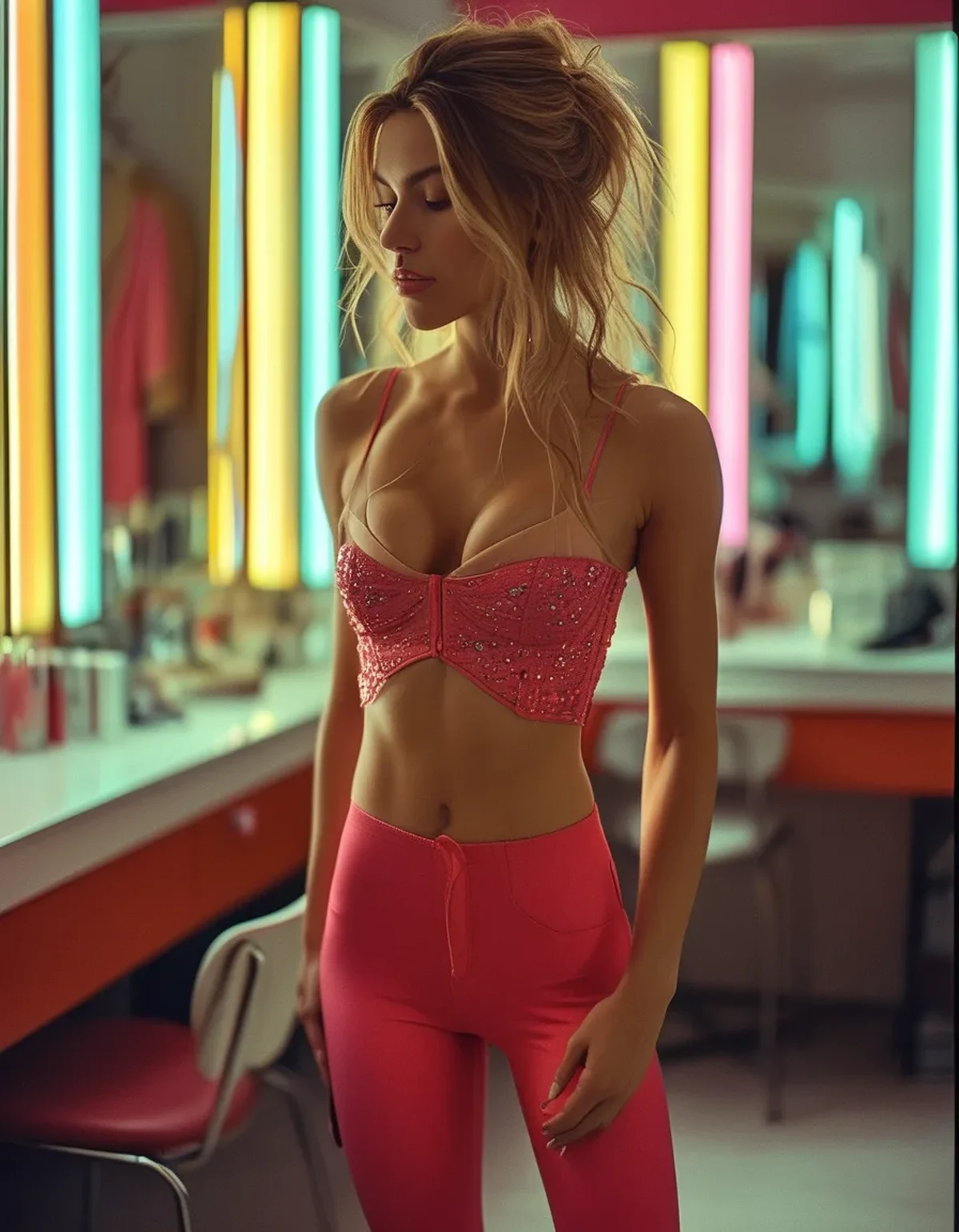
- 7/8 length becomes cropped, which is a different garment
- A side stripe that was meant to be full-length ends at an arbitrary point
This is why “just size up” fails. Sizing up adds width but adds very little length, so all the details stay in roughly the wrong place while the garment now also doesn’t fit through the hip.
And it’s why the fit feels wrong even when nothing is uncomfortable. The garment is doing what it was designed to do, just at the wrong location on your body.
What measurements should you actually know?
Four numbers make online shopping dramatically more reliable.
Inseam — from crotch to the floor, barefoot. This is the number brands publish most often and the one to compare against.
Front rise — from crotch seam to the top of where you want the waistband. This is the one nobody measures and it explains most high-waisted-becomes-mid-rise complaints. Tall bodies frequently have longer rises, and the rise is graded even less generously than the inseam.
Outseam — from the waistband to the hem. Some brands publish this instead of inseam, and it captures both rise and leg length in one number.
Knee point — from the crotch down to the center of your kneecap. Useful specifically for judging whether articulated or paneled designs will land correctly.
Then compare against published garment measurements, not size labels. A brand’s “tall” is another brand’s regular, and the numbers cut through it.
Practical target ranges for tall frames:
- Full-length legging: inseam typically 30 to 33 inches depending on height
- 7/8: about 2 to 3 inches shorter than your full-length number
- If a brand publishes 28 inches as full-length, that’s a 7/8 on you or shorter
What Nobody Tells You About Tall Sizing
Rise is graded less than inseam. Brands that add length to a tall range almost always add it below the crotch and rarely above. So a tall legging is longer in the leg and the same in the rise — which means high-waisted designs still sit lower on you than intended.
Waistband width is a hidden variable. A 4-inch waistband on a long torso covers proportionally less than on a short one. If a legging keeps rolling down, a wider waistband often solves it better than a size change does.
Simple designs travel better. A plain legging with no panels, no color blocking, and no knee articulation looks correct at any length, because there are no details to end up in the wrong place. Heavily designed activewear is much less forgiving of a height mismatch.
Stirrup and flare hems are the least forgiving. They’re designed to interact with the foot and ankle at a specific point, and a small length shortfall breaks the whole intent.
Crop tops have the same problem in reverse. A cropped top on a long torso lands higher than designed, exposing more midriff than the design intended. Same mechanism.
Compression garments lose function when they’re short. Graduated compression is engineered to apply specific pressures at specific points relative to the calf and knee. Wearing a too-short compression sleeve doesn’t just look wrong — it puts the gradient in the wrong place, which is the one case where this is a functional problem and not just an aesthetic one.
How do you shop for this deliberately?
Five practical rules.
1. Filter to brands that publish garment measurements. Not size charts of body measurements — actual inseam and rise of the garment. This single filter eliminates most of the guesswork.
2. Prefer simple designs when length is uncertain. Unpaneled, single-color leggings look right across a wide length range. Save the detailed designs for brands whose fit you’ve confirmed.
3. Buy 7/8 deliberately rather than accidentally. If a full-length legging will be a 7/8 on you, buying it as an intentional 7/8 is fine — it just changes what you pair it with. The problem is only when it’s unintended.
4. Check the rise number, not just the inseam. This is where most “tall” ranges fall short and where most persistent fit complaints originate.
5. When you find a brand that fits, buy multiples. Fit consistency within a brand is far higher than across brands, and brands change specs between seasons. Buying two of a legging that fits is not excessive — it’s the most efficient use of a confirmed fit.
On returns: measure the garment when it arrives, before wearing. If the published number was wrong, that’s useful information about the brand and worth noting.
Is the tall market actually getting better?
Genuinely yes, and unevenly.
What’s improved: more brands offer extended inseams, several activewear brands now publish garment measurements as standard, and made-to-order options exist at more accessible prices than a decade ago.
What hasn’t: rise grading, which remains the least-addressed dimension. Detail placement, which is almost never adjusted in tall ranges — the same panels get moved down proportionally at best, and often not at all. And availability, since tall ranges carry fewer colors and sell out faster.
What to do about it in practice: be specific in reviews and customer feedback. “Runs short” tells a brand nothing. “The 7/8 measured 26 inches, and at 5’11” it hit above my ankle; the knee panel sat two inches above my kneecap” tells them something actionable. Brands with small tall ranges do read this, and detail placement is a fixable problem when someone points at it.
And the reframe: a garment that doesn’t fit is a design decision about who it was drafted for, not a fact about your body. Knowing the mechanism — that details migrate, not just hems — makes it possible to predict which garments will work before buying rather than after.
FAQ: Tall Length Questions, Answered
What inseam should I buy at 5’10”?
Roughly 30 to 31 inches for full-length leggings, though it depends on where your length is — someone with a long torso and average legs needs less inseam than someone the same height with long legs. Measure your own inseam rather than using a height-based table.
Why do my leggings roll down even in the right size?
Usually a rise problem, not a size problem. If the rise is short for your torso, the waistband sits below your natural waist where the body is wider, and it migrates. A longer rise or a wider waistband both help; sizing up generally doesn’t.
Are tall ranges worth the extra cost?
When they extend the rise as well as the inseam, yes, clearly. When they only extend the inseam, they solve half the problem, and it’s worth checking the published rise before paying a premium for it.
TL;DR:
- When a garment is short, every design detail migrates up your body — panels, waistband, color blocks.
- Know your inseam, front rise, outseam, and knee point as numbers.
- Rise is graded far less than inseam, which is why “tall” ranges still sit low at the waist.
- Simple, unpaneled designs are forgiving of length variation; detailed ones aren’t.
The leggings aren’t wrong because they’re short. They’re wrong because the knee panel is on your quad — and once you can name that, you can predict it before you buy.
See It in Motion
Seen here: Super High Waist Embossed Yoga Leggings with Inner Pocket — shop it on bubblelime.com
Keep Reading
This article is for general informational and styling purposes only. Fit, sizing, and product availability may vary — check current details before purchasing.